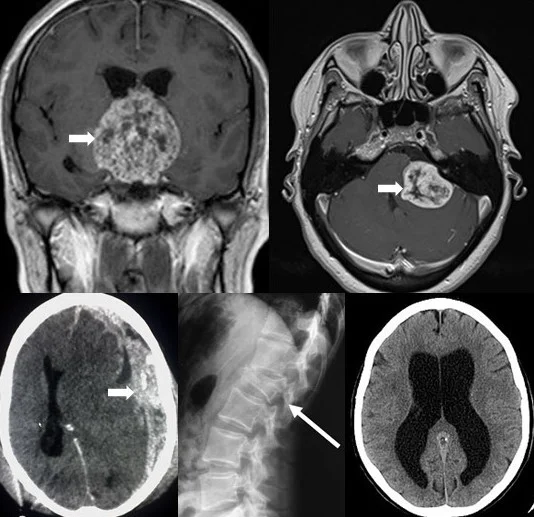
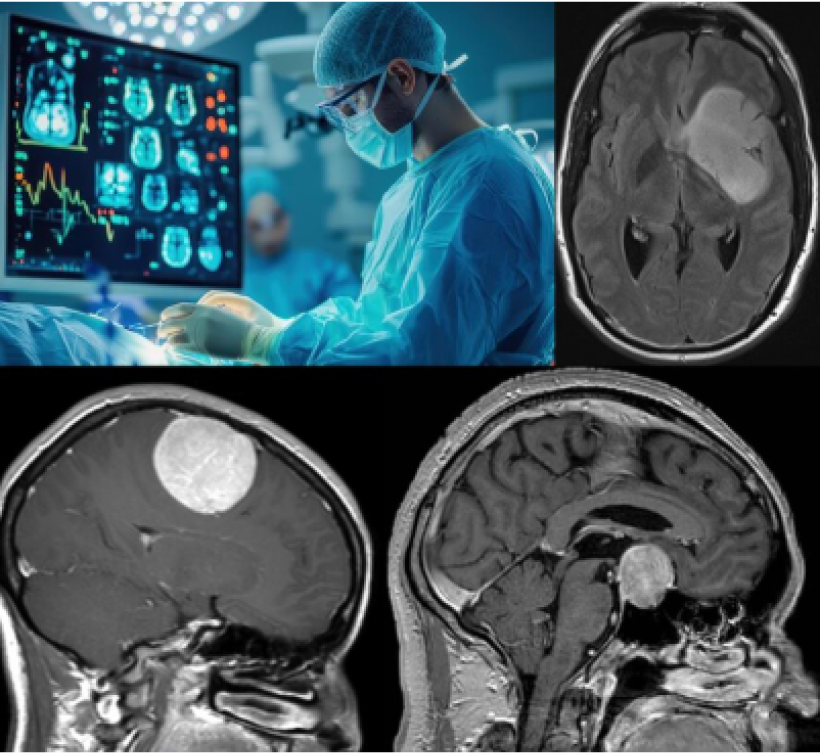
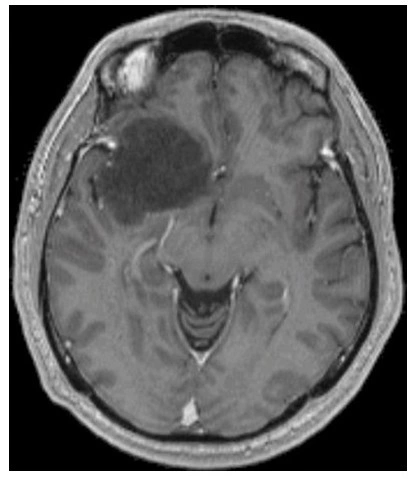
We understand that facing a NEUROSURGICAL diagnosis can bring up questions and uncertainty. That is why we offer a specialized neurosurgery consultation service, providing you with an expert second opinion to help you better understand your condition and make informed decisions.
Please note that this is a complementary service and does not replace direct medical care or an in-person evaluation with your specialist.
Clarity for Your Neurosurgical Diagnosis, A Second Opinion You Can Trust
We understand that facing a neurosurgical diagnosis brings questions and uncertainty. Our specialists provide the clarity you need to make informed decisions about your health.
Professional Neurosurgical Case Evaluations
Diagnostic Review
Medical reports, CT scans, and MRIs
Confidential and Secure
Data Protection
Fast Response
Response within 24 to 72 hours
How It Works
Submit Your Case Details
Upload your medical reports, MRIs, and CT scans
Specialist Evaluation
Our neurosurgeons will thoroughly evaluate your case
Specialist Response
Report of findings and recommendations
Follow-Up Questions
Optional consultation for clarification
Submit Your Case Details
Upload your medical reports, MRIs, and CT scans
Specialist Evaluation
Our neurosurgeons will thoroughly evaluate your case
Specialist Response
Report of findings and recommendations
Follow-Up Questions
Optional consultation for clarification
Most Common Conditions
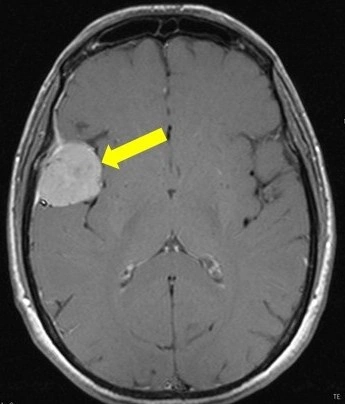
Meningioma
In most cases, meningiomas are benign tumors, meaning they grow slowly. Many people do not experience symptoms. When symptoms do occur, they depend on the tumor's size and location, and may include headaches, seizures, and vision problems, among others. Treatment varies for each case: some only require monitoring, while others may necessitate surgery.
Glioma
Unlike other tumors, gliomas can be slow-growing or more aggressive, depending on their type. They are classified as low-grade (I, II) and high-grade (III, IV). Symptoms vary based on their location but may include headaches, seizures, memory changes, difficulty speaking, and more. Treatment depends on the tumor's type and characteristics, and includes options such as surgery, radiation therapy, and chemotherapy.
Adenoma de Hipófisis
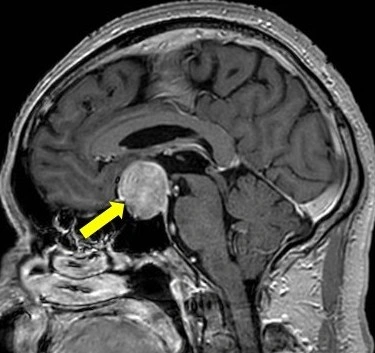
Pituitary adenomas are tumors that develop in the pituitary gland; the majority are benign and slow-growing. They can cause issues by overproducing hormones or by compressing the optic nerve and optic chiasm. Symptoms may include headaches, vision changes, and hormonal imbalances. Treatment depends on the type of adenoma and may include observation, medication, surgery, or radiation therapy.
Most Common Conditions
Meningioma
In most cases, meningiomas are benign tumors, meaning they grow slowly. Many people do not experience symptoms. When symptoms do occur, they depend on the tumor's size and location, and may include headaches, seizures, and vision problems, among others. Treatment varies for each case: some only require monitoring, while others may necessitate surgery.
Glioma
Unlike other tumors, gliomas can be slow-growing or more aggressive, depending on their type. They are classified as low-grade (I, II) and high-grade (III, IV). Symptoms vary based on their location but may include headaches, seizures, memory changes, difficulty speaking, and more. Treatment depends on the tumor's type and characteristics, and includes options such as surgery, radiation therapy, and chemotherapy.
Adenoma
Pituitary adenomas are tumors that develop in the pituitary gland; the majority are benign and slow-growing. They can cause issues by overproducing hormones or by compressing the optic nerve and optic chiasm. Symptoms may include headaches, vision changes, and hormonal imbalances. Treatment depends on the type of adenoma and may include observation, medication, surgery, or radiation therapy.
Brain Aneurysm
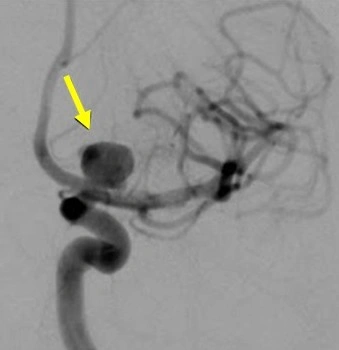
A brain aneurysm is a bulge or ballooning in a blood vessel in the brain, caused by a weakness in the blood vessel wall. Often, it does not cause symptoms; however, if the aneurysm ruptures, it can cause a severe, life-threatening brain hemorrhage. Warning signs may include a sudden and extremely severe headache, blurred vision, nausea, or loss of consciousness. Many aneurysms can be safely treated through surgery or minimally invasive procedures.
Arteriovenous Malformation (AVM)
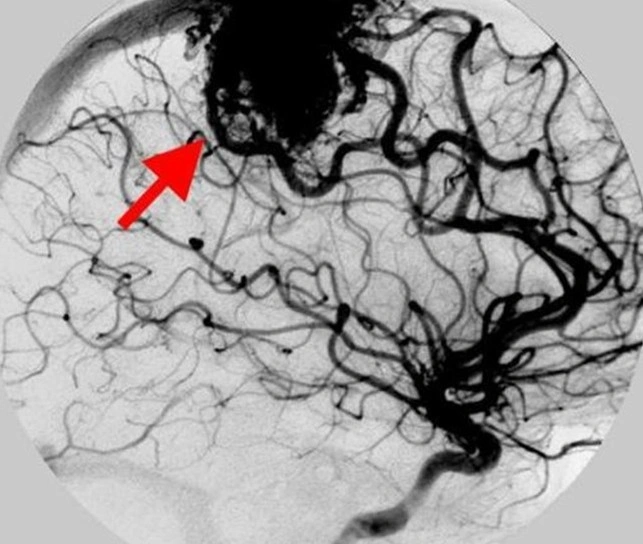
Brain arteriovenous malformations (AVMs) are abnormal connections between arteries and veins in the brain. In these abnormal blood vessels, blood flows directly from arteries into veins, which increases the risk of bleeding in the brain. Some individuals do not experience any symptoms, while others may suffer from headaches, seizures, or other neurological issues. Treatment depends on the size and location of the malformation and may include observation, surgery, or minimally invasive procedures.
Herniated Disc
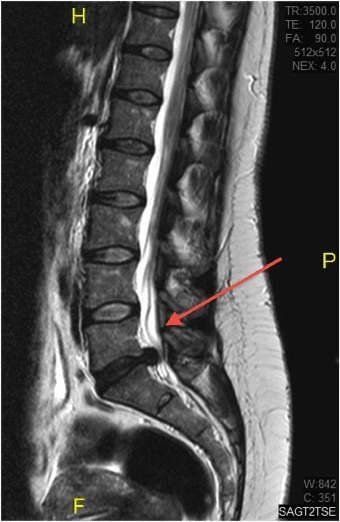
A herniated nucleus pulposus (also known as a "herniated disc") occurs when one of the discs that act as cushions between the vertebrae of the spine slips out of place, pressing on nearby nerves. This can cause back or neck pain, as well as symptoms like tingling, numbness, or weakness in the arms or legs. In many cases, it improves with medication, physical therapy, and rest, although some individuals may require surgery if the pain is severe or affects mobility.
- Craniopharyngiomas
- Neuromas
- Spinal Fractures
- Hydrocephalus
- Neurocysticercosis
- Epidural or Subdural Hematomas
- And much more...
Testimonials
Are you ready to gain clarity regarding your neurosurgical diagnosis?
- Secure
- Confidential
- Quick
Frequently Asked Questions
Does this service replace a medical consultation?
No. This is a complementary service and does not replace an in-person evaluation or the diagnosis from your treating physician.
What types of cases can be evaluated?
Spine and brain conditions, tumors, herniated discs, and malformations, among others, provided that medical studies are available.
What documents should I submit?
Medical reports, MRIs, CT scans, test results, and any relevant medical history.
How long will it take to receive a response?
Response times may vary, but you will typically receive your evaluation within 48 to 72 hours.
Is my information confidential?
Yes. All information is handled with strict confidentiality.